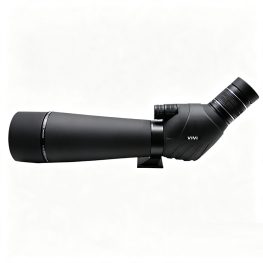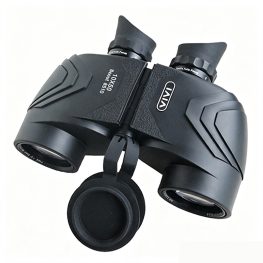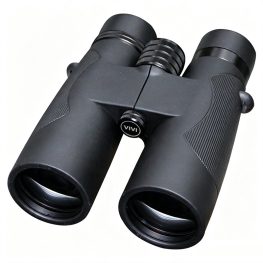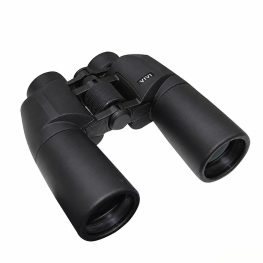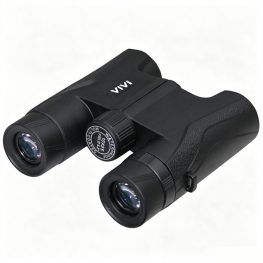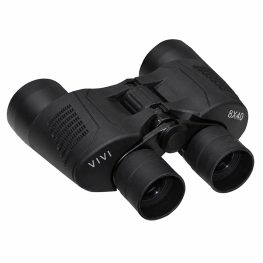


Description: A few years ago, I carried a mid-priced pair of binoculars to a coastal marsh just before sunrise. The light was soft, the herons were moving, and the image looked...
A few years ago, I carried a mid-priced pair of binoculars to a coastal marsh just before sunrise. The light was soft, the herons were moving, and the image looked flat. A friend had a different pair, similar magnification, similar objective size, yet the scene looked brighter and cleaner. I kept asking why. The answer was not always “more expensive.” Often, it came down to lens coatings, especially FMC coating on binoculars. That early morning made me realize that coating quality can change how usable a pair of binoculars feels in real conditions, not just on a spec sheet.
FMC stands for fully multi-coated. In simple terms, FMC coating on binoculars means the manufacturer has applied multiple anti-reflective layers to the air-to-glass surfaces of the optics. Those surfaces include objective lenses, eyepiece lenses, prism surfaces, and other optical interfaces where light passes between air and glass. The goal is to reduce reflection at each surface, let more light pass through, and improve the contrast and color balance of the final image. That sounds technical, but the practical result is easier to understand: a better-looking image in lower light, with less haze, less ghosting, and less washed-out color.
What Does FMC Coating Actually Do on Binoculars?
Light has a rough time inside binoculars. It enters through lenses, bends through prisms, reflects off surfaces, and finally reaches your eye. Every time light crosses from air into glass, or glass into air, some of it reflects away. A few percent may not sound like much, but multiple surfaces can add up. FMC coating exists to fight that loss. The coating layers are thin enough to interfere with reflected light and encourage transmission. In a good fully multi-coated binocular design, the image can feel more alive, especially when the sun is low, the sky is gray, or you are looking through branches at a distant bird.
Is FMC coating the same thing as brighter binoculars? Not by itself. FMC coating helps, but the total light you see depends on objective size, magnification, exit pupil, prism quality, glass type, optical alignment, and how clean the lenses are. A well-built 8×42 with good FMC coating may outperform a poorly designed 10×50 with a fancy coating label. Still, when two pairs are close in size and build, the fully multi-coated pair usually gives the more pleasant view. The difference is most obvious in contrast. A coated image can look clearer even when the raw brightness is similar, because reflections and internal glare are reduced.
Why Light Transmission Matters More Than Specs
Specs sell binoculars, but light transmission decides whether you can actually use them. A pair may list “fully multi-coated,” yet the real question is how much light reaches the eye after the glass and prisms do their work. FMC coating on binoculars improves that chain. It reduces surface reflections and helps preserve color. That matters when you are trying to separate a brown rail from wet grass, or read the faint banding on a distant hawk. In midday sun, your eye may not notice the coating as much. At dusk, it can feel like the difference between a usable view and a frustrating one.
Exit pupil is the second part of this story. A 7×35 pair has a 5mm exit pupil, while a 10×42 pair has a 4.2mm exit pupil. In dim light, the human pupil opens wider, and more of the available image reaches the retina. Good coatings help because they deliver more of that light cleanly. I have noticed that FMC coating does not create magic, but it removes small obstacles. Less reflection means less haze. Less haze means more detail. More detail means you spend less time squinting and more time identifying.
How to Tell If FMC Coating on Binoculars Is Worth the Upgrade
The short answer: if you use binoculars in low light, at distance, or for color-sensitive work, FMC coating on binoculars is usually worth serious attention. Birders, hunters, astronomers, theatergoers, and travelers who look at landscapes early or late tend to benefit most. If you mostly use binoculars in bright daylight, the coating still helps, but it may not be the deciding factor. A basic coated lens can look decent in strong sun. A fully multi-coated lens looks better when the conditions get messy.

There is also a comfort factor. Poor coatings can produce ghost images, internal reflections, and a milky contrast that tires the eye. You may not notice it right away, but after twenty minutes of scanning a shoreline or a tree line, the strain becomes real. FMC coating reduces that strain by making the image cleaner. The first time I compared a truly well-coated pair against a cheaper one at dusk, I did not think the view was dramatically brighter. I thought it was easier. That is a quieter kind of quality, and it matters more than most people expect.
What FMC Coating Can’t Fix
FMC coating cannot rescue bad optics. If the prisms are misaligned, the focus drifts, the edges of the image collapse, or the chromatic aberration is severe, the coating label will not save the experience. Some budget binoculars use “FMC” as a marketing phrase while the rest of the design remains weak. That is why I always look through the eyepieces before trusting a spec sheet. I check center sharpness, edge clarity, color cast, ghosting, and whether the image feels balanced between the two barrels. Coating is one clue, not a certificate.
Durability also deserves attention. Anti-reflective coatings can scratch if cleaned badly or stored in a pocket with grit. A high-quality FMC coating on binoculars is usually tough enough for normal use, but it still needs respect. Blow dust off first, use a proper lens cloth, and avoid harsh chemicals. If you plan to take binoculars into rain, dust, or salt air, look for sealed models with good coating durability. Coatings that look beautiful on day one but fog, peel, or haze after a season are not a bargain.
A few years later, I still think about that coastal marsh. The older binoculars were not terrible. They simply felt tired in the dawn light, like a window with too much glare. The better pair, with more careful FMC coating on binoculars, made the same scene look cleaner and more open. The heron did not move differently. The light did not change. The coating just helped the optics do their job. That is the honest answer to what is FMC coating on binoculars: it is not magic, but it can be the difference between a good spec sheet and a view you actually want to use.