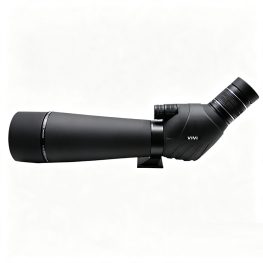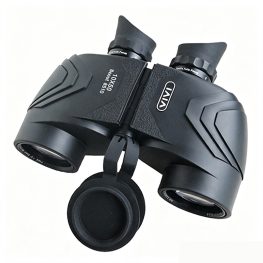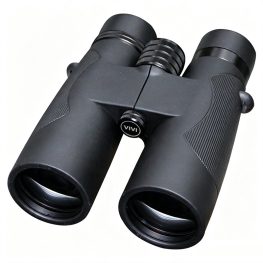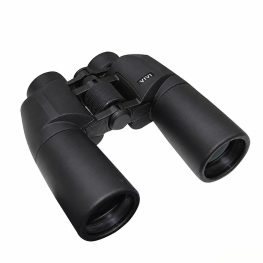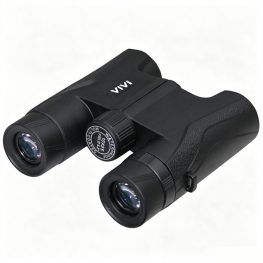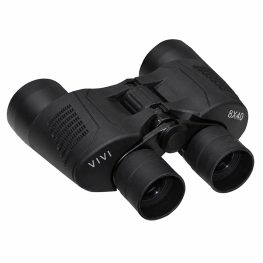

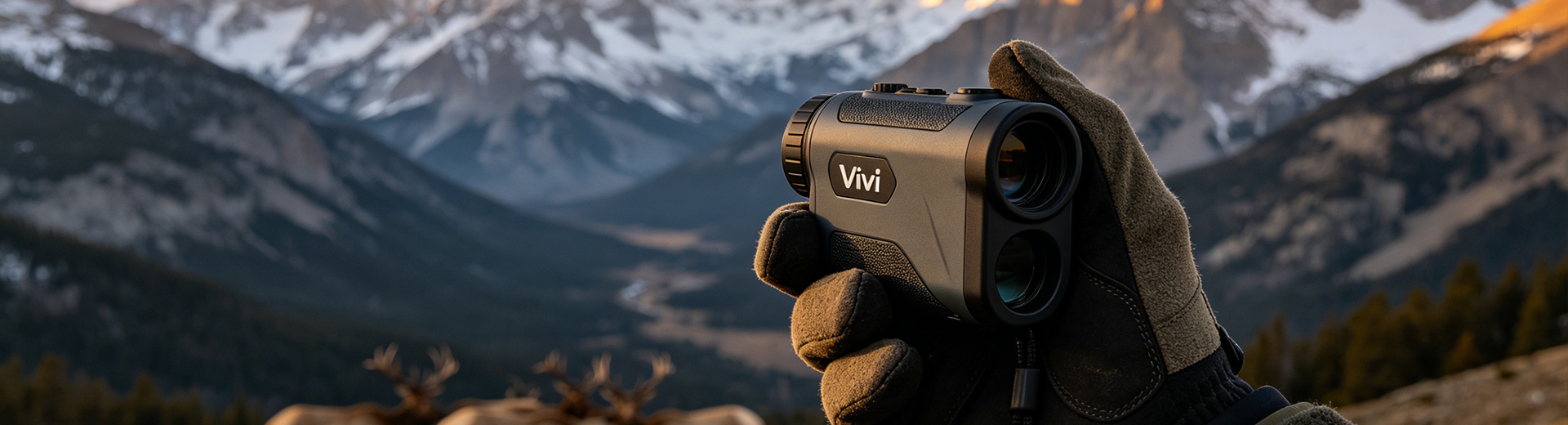
Description: A pair of binoculars can turn a pleasant hike into a memory worth keeping. You stand on a ridge, scan a valley, and suddenly a hawk seems to be gliding...
A pair of binoculars can turn a pleasant hike into a memory worth keeping. You stand on a ridge, scan a valley, and suddenly a hawk seems to be gliding just for you. Yet plenty of hikers buy the wrong model. They bring something too heavy, too shaky, too dark for early mornings, or too delicate for wet trails. That is why I keep coming back to the same practical question: how to choose binoculars for hiking and outdoor adventures. The answer is not simply “buy the most expensive pair.” It is about matching optics, weight, comfort, and build quality to the way you actually move through nature.
Match the Optics to the Terrain, Not Just the Price Tag
Before you stare at specs like a deer in headlights, think about your terrain. A coastal trail, a dense forest, an alpine ridge, and a desert overlook all ask different things from your eyes. For most hikers, 8×42 binoculars are the sweet spot. They are bright, forgiving, and easy to hold steady. Ten by forty-two can feel better when you want to pull distant details closer, but the higher magnification also amplifies hand shake and can make a long day on a rocky trail more tiring. Exit pupil matters too. If you often hike at dawn, dusk, or under thick canopy, a larger exit pupil helps the image stay bright. Eye relief is another quiet hero, especially if you wear glasses. A model that forces you to press your eyes close to the cups will annoy you faster than a slightly heavier body will.
Do hikers really need waterproof binoculars, or is that just marketing fluff?
For hiking and outdoor adventures, no, it is not just marketing. Fogging is a real nuisance. A sudden rain shower, a cold stream crossing, or even your own breath can make cheap optics useless for ten minutes. Nitrogen or argon purging helps prevent internal fogging, and O-ring sealing keeps moisture out when you wipe the lenses after a dusty trail. You do not need to treat the binoculars like a diving computer, but if you plan to use them in wet forests, mountain storms, or coastal spray, waterproofing is one of the few features I would not cut from the list.
What magnification is best if I am hiking, birding, and taking in scenery?
Eight by forty-two is the most honest answer for mixed use. It gives a wide field of view, which makes it easier to find birds, keep a moving trail in frame, and avoid that jittery, over-zoomed feeling. Ten times is better for long-distance observation, such as watching cliffside wildlife from a safe distance or reading a distant ridge line. Yet if your hands are tired after climbing, or if you are moving while using them, ten times can feel harder than it sounds. A practical test is simple: hold the binoculars up for two minutes while walking slowly. If the image is bouncing around like a bad boat ride, lower the magnification.
Should I buy compact binoculars if I want a lighter pack?
Only if the trade-off is acceptable. Compact models are easier to carry, and that matters more than people admit. A pair you leave in the car because it weighs too much is a pair that never sees wildlife. But many compact binoculars have smaller objective lenses and less forgiving eye boxes. They can feel cramped, especially for glasses wearers, and they often struggle in low light. If your hiking style is fast and light, look for a compact with good coatings and a comfortable grip. If you care more about image quality, a standard size is usually better.
Comfort, Durability, and the Small Details That Save a Trip
Once the basic optics are in range, comfort becomes the real deciding factor. This is where how to choose binoculars for hiking and outdoor adventures stops being a spec-sheet exercise and becomes a body-awareness exercise. The focus wheel should turn smoothly without feeling loose. The eyecups should twist or fold without wobble. The hinge should feel firm, not like a toy. Weight distribution matters more than raw weight. A slightly heavier pair that sits balanced in your hands can be easier to carry than a light pair that feels front-heavy. Also, check the diopter adjustment. If you wear glasses or have one weaker eye, a poorly designed diopter ring can turn a scenic overlook into a blurry disappointment.
How important are coatings and brightness for hiking?
Very important, and often overlooked. Fully multi-coated lenses help transmit light and reduce glare, which is useful when you are looking through wet leaves, snow, or bright sky reflections. Phase-corrected coatings can improve contrast, especially on prisms. You may not care about the technical name, but you will notice the result: birds look sharper, tree bark has more texture, and distant mountains do not wash out into a pale gray. A cheap binocular can make a beautiful landscape look flat. A good one makes the same landscape look alive.
Should I spend more on durability or on optical quality?
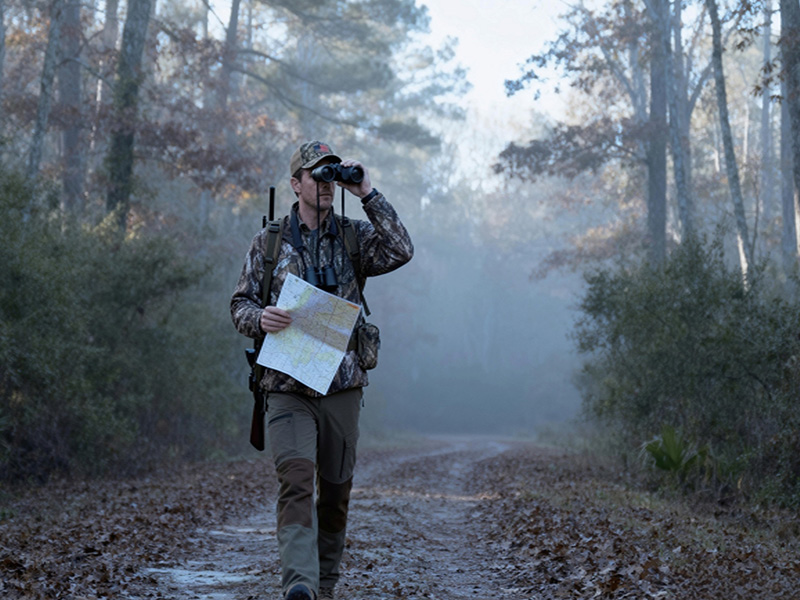
For hiking, I lean toward durability first, then optical quality within your budget. A rugged pair that can survive a drop on granite, a brush with wet branches, and a year of sweaty hands is often worth more than a delicate model with a tiny edge in resolution. Look for rubber armor that grips well even when wet, sturdy hinge barrels, and lens guards that can be removed without fuss. If the body cracks or the focus mechanism goes gritty after a few trips, the beautiful image will not matter much. That said, do not buy something so tough that the optics are terrible. The best value sits where solid build meets decent glass.
How do I test binoculars before buying them?
Take them outside. Indoor store lighting is a lie. Look at a tree, a roofline, or a distant sign. Check both eyes at once, then each eye separately. Notice whether the center is sharp while the edges smear, whether colors look muddy, and whether the image has a strange purple or blue cast. Hold them steady for a minute. Focus on something near and far. If you wear glasses, twist the eyecups down and see whether you can get a full circle of light. A quick test like this can reveal problems that a box never shows.
What accessories actually matter for outdoor adventures?
A good strap matters more than people think. A padded neck strap can make a long hike bearable. A harness style strap can keep the binoculars closer to your chest and reduce bounce. Lens caps are useful, but make sure they stay attached or fit snugly; losing caps on a windy trail is annoying. A small microfiber cloth helps, though I still prefer a blower brush for dust before wiping, because grit can scratch coatings. A case is nice if it adds protection without adding bulk. Some hikers skip the case entirely and rely on a padded strap and careful handling.
Is it worth buying used binoculars?
Yes, if you can inspect them. Used optics can be a bargain, especially high-end models that have been gently loved by a birder. Check for fungus inside the lenses, dust that blocks the view, loose hinges, scratched coatings, and uneven focus. Ask the seller to show a photo of the objective lenses against light. If the glass looks clean and the body is tight, a used pair can be a smart choice. If you cannot see them in person, be careful. Return policies matter. For beginners, a new pair with a decent warranty may feel safer, but a knowledgeable friend can help you avoid a lemon.
How to choose binoculars for hiking and outdoor adventures without overthinking every spec?
Start with the real use: where you hike, when you hike, and how much weight you will tolerate. Choose 8×42 as a default unless you have a clear reason for something else. Make sure they are comfortable, bright, and sturdy enough for the weather you meet. Then buy the best pair you can afford without feeling guilty about not buying the top model. Gear should serve the trip, not interrupt it.
After years of carrying different pairs on trails, my own opinion is simple. The best binoculars for hiking are not the ones with the longest spec list. They are the ones you will actually bring, adjust, and enjoy when the light is fading and the trail is getting rough. I still keep an 8×42 pair as my trail default because it feels honest: bright enough for forest shade, stable enough for wind, and light enough to hang around my neck for hours. If you are buying your first serious pair, choose comfort over bragging rights. If you are upgrading, think about where your current model annoys you. That annoyance is usually the real clue. How to choose binoculars for hiking and outdoor adventures comes down to matching your eyes, your hands, your patience, and the weather. Do that, and the landscape starts giving back more than you paid for.