

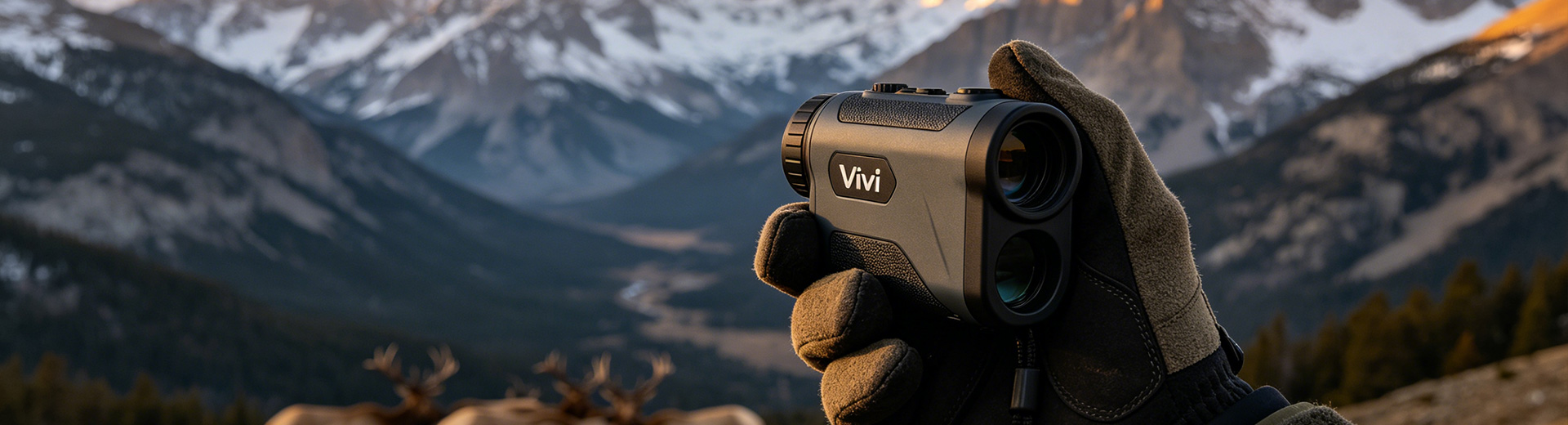
Description: Quick Answer Choosing the right binoculars depends on how and where you plan to use them. The most important factors are magnification, objective lens diameter, field of view, optical quality,...
Quick Answer
Choosing the right binoculars depends on how and where you plan to use them. The most important factors are magnification, objective lens diameter, field of view, optical quality, weight, waterproofing and your intended application.
For many users, 8×42 and 10×42 binoculars offer a versatile balance of brightness, portability and magnification. Larger models such as 10×56 or 12×56 can be more suitable when long-distance or low-light observation is a priority.
Why Choosing the Right Binoculars Matters
Binocular specifications can look complicated at first. Numbers such as 8×42, 10×42 and 12×56 describe important characteristics, but the highest magnification or largest objective lens is not automatically the best choice.
The right binoculars should match your observation distance, lighting conditions, target movement and portability requirements. A compact pair may be practical for travel and hiking, while a larger-aperture model can provide advantages for extended observation in lower-light conditions.
1. Understand What Binocular Numbers Mean
A binocular specification such as 10×42 contains two key numbers.
The first number is the magnification. A 10x binocular makes an object appear approximately ten times closer than it appears to the naked eye.
The second number is the objective lens diameter in millimeters. A 42 mm objective lens generally provides a useful balance between light-gathering capability and portability.
Common configurations
| Configuration | Typical strengths | Common applications |
|---|---|---|
| 8×42 | Wide, steady and versatile viewing | Bird watching, travel, nature |
| 10×42 | More reach with balanced size | Wildlife, outdoor observation |
| 10×56 | Larger objective lenses | Low-light and long-distance viewing |
| 12×56 | Higher magnification and larger aperture | Long-range observation |
Your ideal configuration depends on your application rather than on one specification being universally superior.
2. Choose the Right Magnification
Higher magnification can reveal more distant detail, but it can also make image movement more noticeable and may reduce the ease of handheld viewing.
8x binoculars
8x magnification is often preferred when a wide field of view and stable handheld observation are important. It can be a practical choice for birding, nature observation and travel.
10x binoculars
10x models provide additional reach while remaining versatile for many outdoor applications. For many users, 10×42 is a popular all-round configuration.
12x binoculars
12x magnification can be useful for observing more distant subjects. Because image movement becomes more noticeable as magnification increases, stability and intended use should be considered carefully.
3. Consider Objective Lens Diameter
The objective lens diameter affects the physical size of the binoculars and their ability to gather light.
Smaller objective lenses can support lighter and more compact designs. Larger objective lenses can be beneficial when observing in lower-light conditions, although they generally increase size and weight.
A 42 mm objective is a versatile choice for everyday outdoor use, while 50 mm and 56 mm models are often selected when brightness and low-light observation are more important.
4. Evaluate Optical Quality
Optical components and coatings influence the viewing experience.
ED glass
ED (Extra-low Dispersion) glass is designed to help reduce chromatic aberration, which can appear as color fringing around high-contrast subjects. This can support improved color fidelity and detail.
Prism quality
BAK4 and BK7 are common prism materials. Their optical characteristics and implementation can influence image quality and edge illumination.
Lens coatings
Multi-coated or fully multi-coated optical systems are designed to reduce reflections and improve light transmission through the optical system.
5. Check the Field of View
Field of view describes how much of the scene you can see through the binoculars.
A wider field of view can make it easier to locate moving birds, wildlife and other subjects. This is especially useful when scanning large landscapes or following fast-moving targets.
When comparing models, consider field of view together with magnification rather than evaluating either specification alone.
6. Think About Low-Light Performance
For early-morning, late-afternoon or other low-light observation, several factors can matter:Objective lens diameterOptical qualityLens coatingsExit pupilMagnificationOverall light transmission
Larger-aperture binoculars, such as 56 mm models, may be more appropriate when low-light capability is a major consideration.
7. Consider Weight and Portability
The best optical performance is less useful if a binocular is uncomfortable to carry for your intended activity.
For hiking and travel, a compact and lightweight model may be a better fit. For stationary or extended observation, users may accept a larger instrument in exchange for higher magnification or a larger objective lens.
Consider where the binoculars will be carried and how long they will be used before selecting a size.
8. Waterproofing and Outdoor Durability
Outdoor binoculars may be exposed to rain, moisture and changing temperatures.
Waterproof construction can be an important feature for bird watching, hiking, wildlife observation and other field applications. Always check the specific waterproof rating and product documentation before use in demanding conditions.
9. Match Binoculars to Your Application
Bird watching
Prioritize a practical combination of field of view, close focusing ability, optical clarity and comfortable handling.
Wildlife observation
Consider observation distance, subject movement and lighting conditions. 8×42 and 10×42 configurations can be versatile, while larger models may be useful for specific long-range or low-light situations.
Hiking and travel
Weight, size, durability and ease of use are often key factors.
Low-light observation
Larger objective lenses and high-quality optical systems may be especially important.
Long-distance viewing
Higher magnification can provide additional reach, but stability and support options should also be considered.
How to Choose Between 8×42, 10×42 and 12×56
There is no single best configuration for every user.
Choose 8×42 when you value a wider, steadier and highly versatile viewing experience.
Choose 10×42 when you want a balanced combination of magnification and portability.
Consider 12×56 when long-distance observation and a larger objective lens are more important and you are comfortable with a larger instrument.
Recommended VIVI Optics Categories
Depending on your application, explore the relevant VIVI product categories and series:**ED Binoculars** for users looking for advanced optical performance**Falcon Series** for outdoor observation**Focus Series** for larger-aperture viewing options**Hike Series** for portable outdoor applications**Spotting Scopes** for higher-magnification long-distance observation
Internal link placement: link each category or series name to its corresponding live VIVI Optics page.
FAQ
What is the best binocular size for beginners?
A versatile configuration such as 8×42 or 10×42 is often a practical starting point because it balances magnification, objective lens size and portability.
Are 10×42 binoculars good for outdoor use?
Yes. 10×42 binoculars can be a versatile choice for outdoor observation because they provide useful magnification while remaining manageable for many applications.
Are bigger binoculars always better?
No. Larger binoculars may provide advantages in certain conditions, but they can also be heavier and less convenient to carry.
Is higher magnification better in binoculars?
Not always. Higher magnification provides more reach but can make image movement more noticeable and may not be necessary for every application.
How do I choose binoculars for bird watching?
Consider magnification, field of view, close focus, optical quality, weight and waterproofing. The best choice depends on where and how you observe birds.
Conclusion
The best binoculars are the ones that match your application. Start by deciding where you will use them, then compare magnification, objective lens size, optical quality, field of view, portability and durability.
Explore VIVI Optics binoculars and outdoor optical products to find configurations designed for different observation needs.
CTA: Explore VIVI Binoculars → https://www.vivi-optics.com/product